Generator rotor AC impedance tester is a key equipment used in power systems to evaluate the health status of generator rotor windings. Its core applications include fault diagnosis, status monitoring, experimental verification, and multifunctional extension applications, as follows:
1. Core fault diagnosis function
① Interturn short circuit detection
a. Principle: Interturn short circuit can cause a decrease in the inductance and reactance of the rotor winding, resulting in a significant decrease in the AC impedance modulus.
b. Application: Quickly locate short-circuit fault points by comparing historical data or three-phase impedance values.
c. Advantage: Sensitivity higher than traditional DC can detect early minor faults.
② Insulation aging assessment
a. Principle: Deterioration of insulation materials can lead to an increase in winding capacitance to ground and a decrease in phase angle (due to a relative increase in capacitance reactance).
b. Application: Combined with partial discharge testing, comprehensively judge the insulation status.
③ Winding deformation analysis
a. Principle: Mechanical stress (such as short-circuit impact, transportation vibration) can cause winding displacement or deformation, change inductance distribution, and cause abnormal impedance frequency curve.
b. Application: Draw impedance curves and identify deformation characteristics through sweep frequency testing (frequency response analysis, FRA).
2. Full lifecycle state monitoring
① Preventive maintenance
a. Application: Regularly test the AC impedance of the generator, establish a historical data archive, and detect potential issues such as insulation aging and winding deformation in advance through trend analysis.
b. Advantages: Non destructive testing, no need to disassemble equipment, reducing downtime.
② Acceptance after major overhaul
a. Application: After disassembling and repairing the generator (such as replacing windings and treating insulation defects), the repair effect is verified through AC impedance testing to ensure that the equipment is restored to its design performance.
b. Standard: The deviation between the impedance value after major repairs and historical data should be controlled within ± 5%.
③ Load mutation response test
a. Application: Simulate sudden changes in generator load (such as grid connection and load shedding), test impedance changes, and evaluate dynamic stability.
3. Power system debugging and grid connection safety
① Impedance matching verification before grid connection
a. Application: Detect the matching degree between generator impedance and grid impedance to avoid resonance or power fluctuations caused by impedance mismatch after grid connection.
b. Standard: The phase difference between the positive sequence impedance of the generator and the grid impedance should not exceed ± 15 °.
② Relay protection device setting
a. Application: Test the impedance characteristics of generators under different operating conditions, providing setting basis for differential protection, distance protection and other devices.
4. Multi functional extension application
① Transformer test compatibility
a. Application: It can also be used for single-phase short-circuit, no-load testing, and transformer volt ampere characteristic testing of power transformers.
② Research and Teaching Support
a. Application: Supports frequency sweep testing function, analyzes the impedance changes of generators at different frequencies, and studies theoretical issues such as electromagnetic field distribution and skin effect.
5. Adaptability to special scenarios
① Nuclear power plant safety inspection
a. Requirement: The tester must pass radiation resistance and explosion-proof certification to ensure safe use in nuclear environments.
② Offshore wind power testing
a. Requirement: The equipment should have waterproof and dustproof design, and support remote data transmission function.
③ Mobile generator set detection
a. Requirement: Portable design (such as small size, light weight, battery powered) to meet the rapid testing needs in outdoor or emergency scenarios.
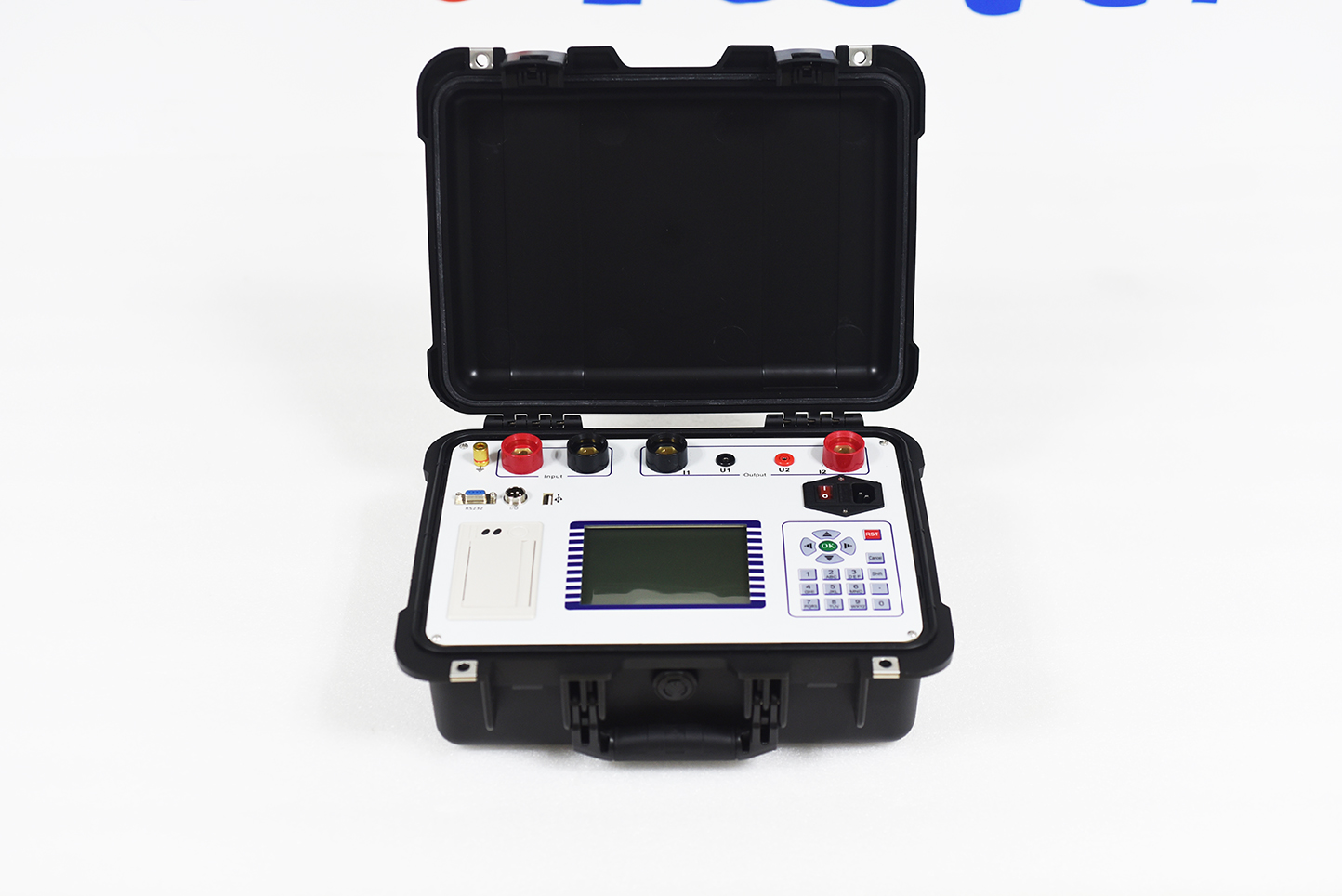
ZC-401A Generator Rotor AC Impedance Tester is a specialized instrument for determining whether there is an inter turn short circuit in the generator rotor winding. It can measure the voltage, current, impedance, power, phase angle, and other parameters of the rotor winding automatically and manually (unidirectional or bidirectional). The tester adopts advanced high-speed microprocessor technology, which is more powerful, superior in performance, and more convenient to use. It has the characteristics of high work reliability, easy operation, high testing accuracy, and small and lightweight. At present, it is at a leading level in China.
Kvtester Electronics Technology Co.,Ltd. is a high-tech enterprise specializing in power testing, testing, research and development, production, and sales of testing equipment. It has been engaged in the electrical testing industry for many years, and its products are of high quality. We welcome customers to come and purchase. Service hotline: 0086-27-81778799, to learn more, visit the official website: www.kvtester.com